
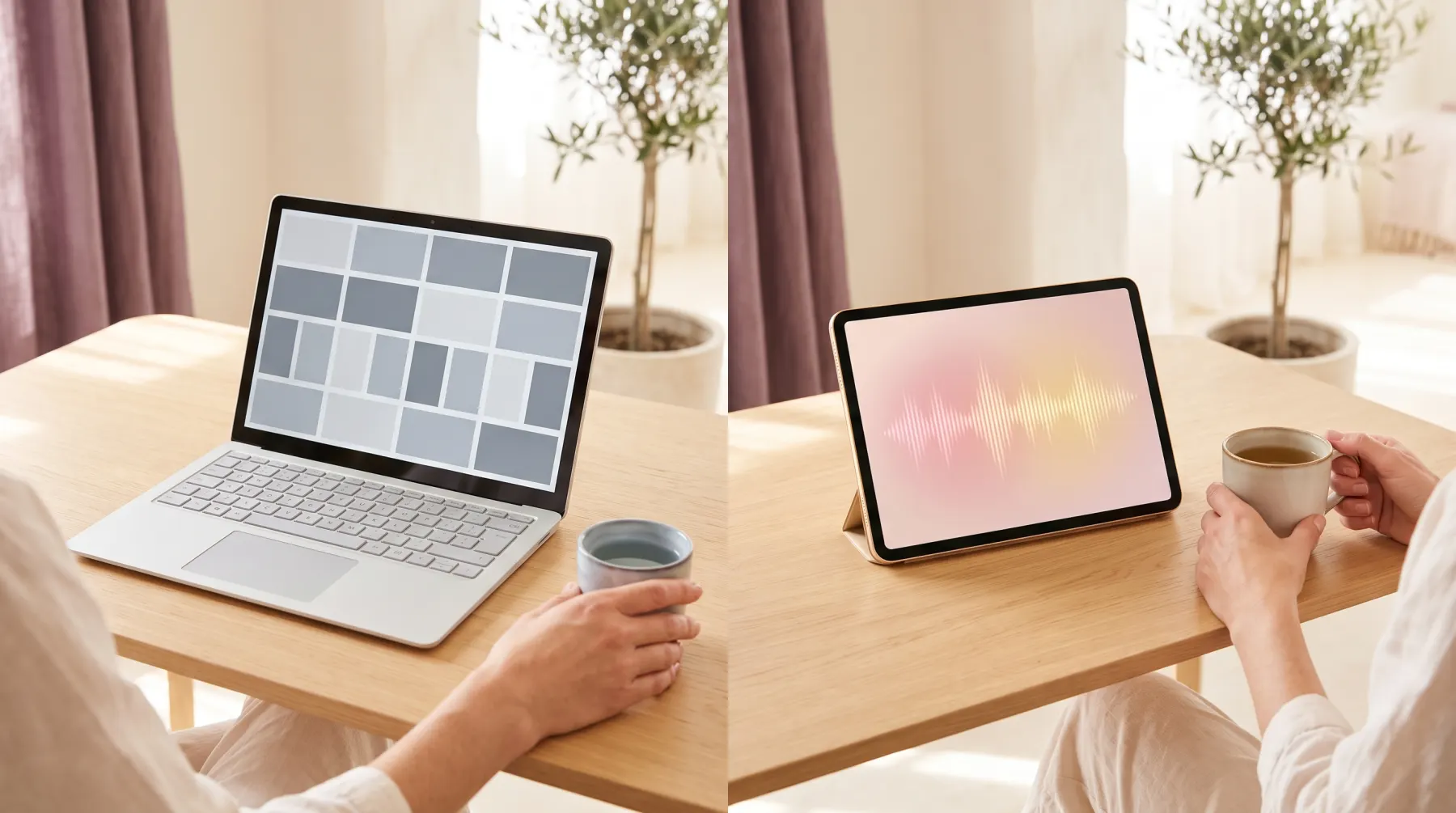
BeautySuite vs a generic chatbot: what changes when it is your sector
A generic chatbot answers questions. A receptionist for beauty centres comes with voice, your menu, the AI notice and recording. Pros and cons of each.
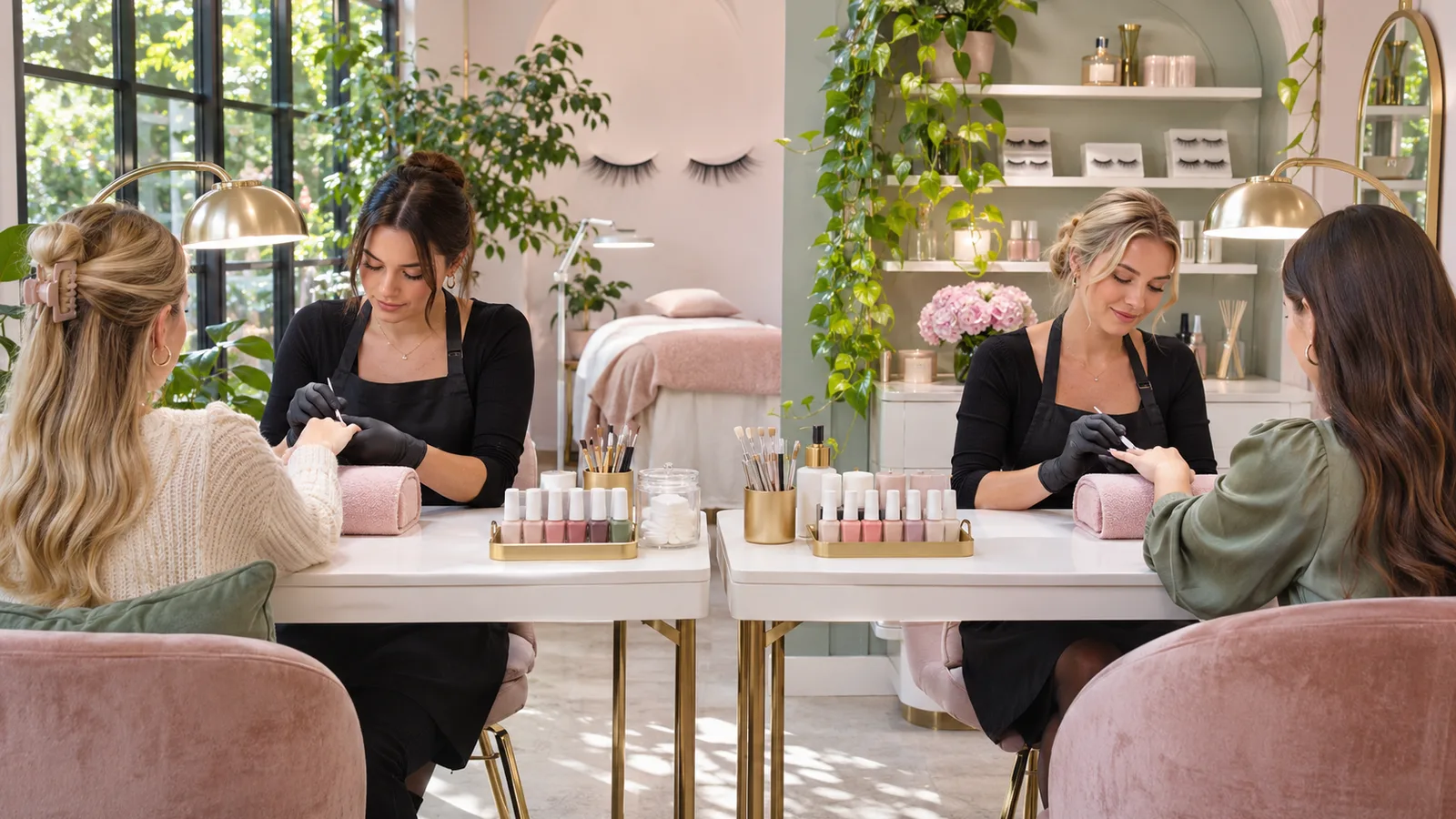
Two technicians, sixteen appointments a day and no free gap: a simulated nail and lash studio with declared assumptions, and what changes with an assistant.
Studio Nube is a business invented for this example and its figures are a simulation with declared assumptions, not results from real BeautySuite clients. Two technicians, Ana and Marta, work side by side in a small studio: gel manicures, removal and infills, and lash extensions.
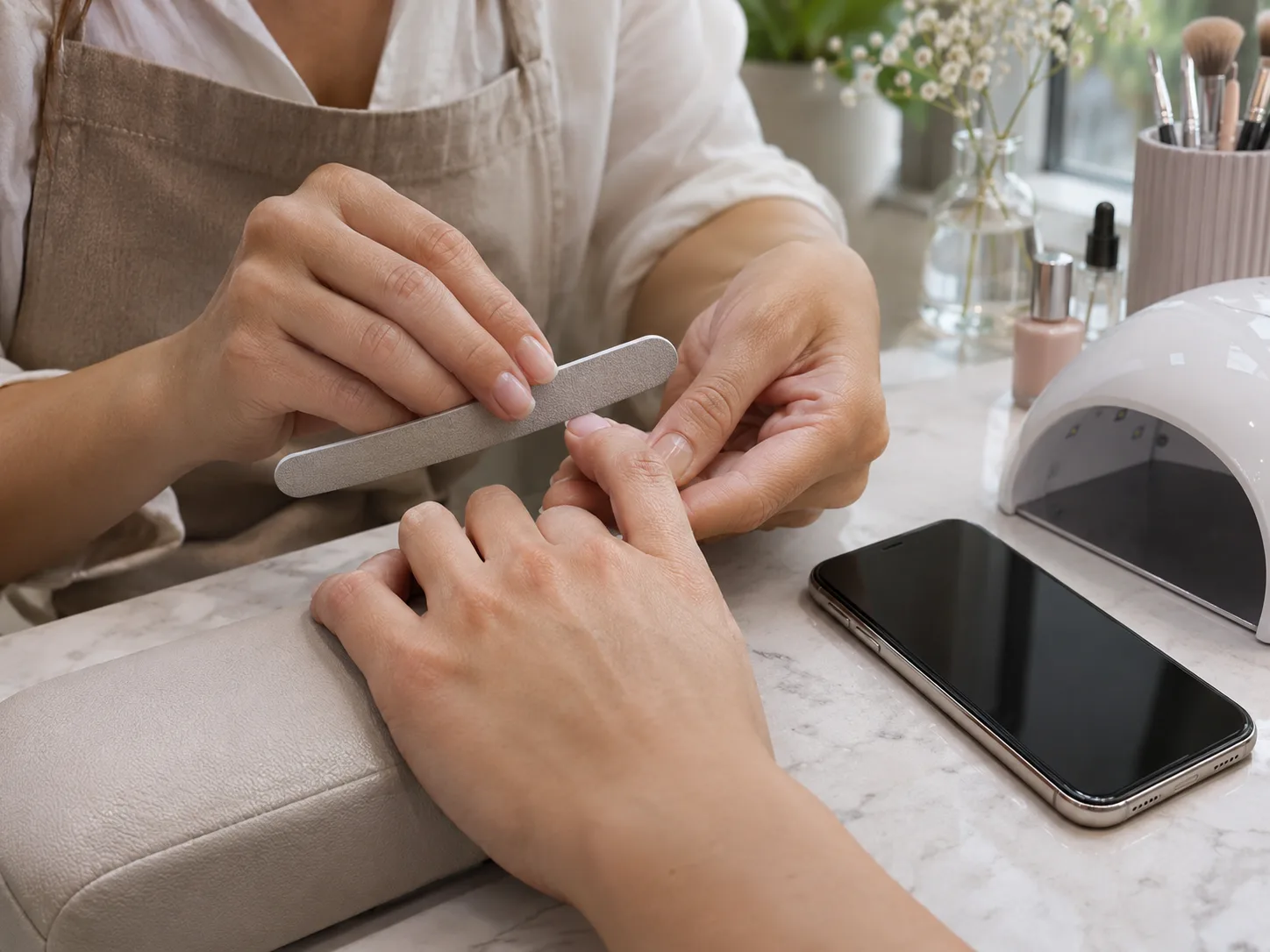
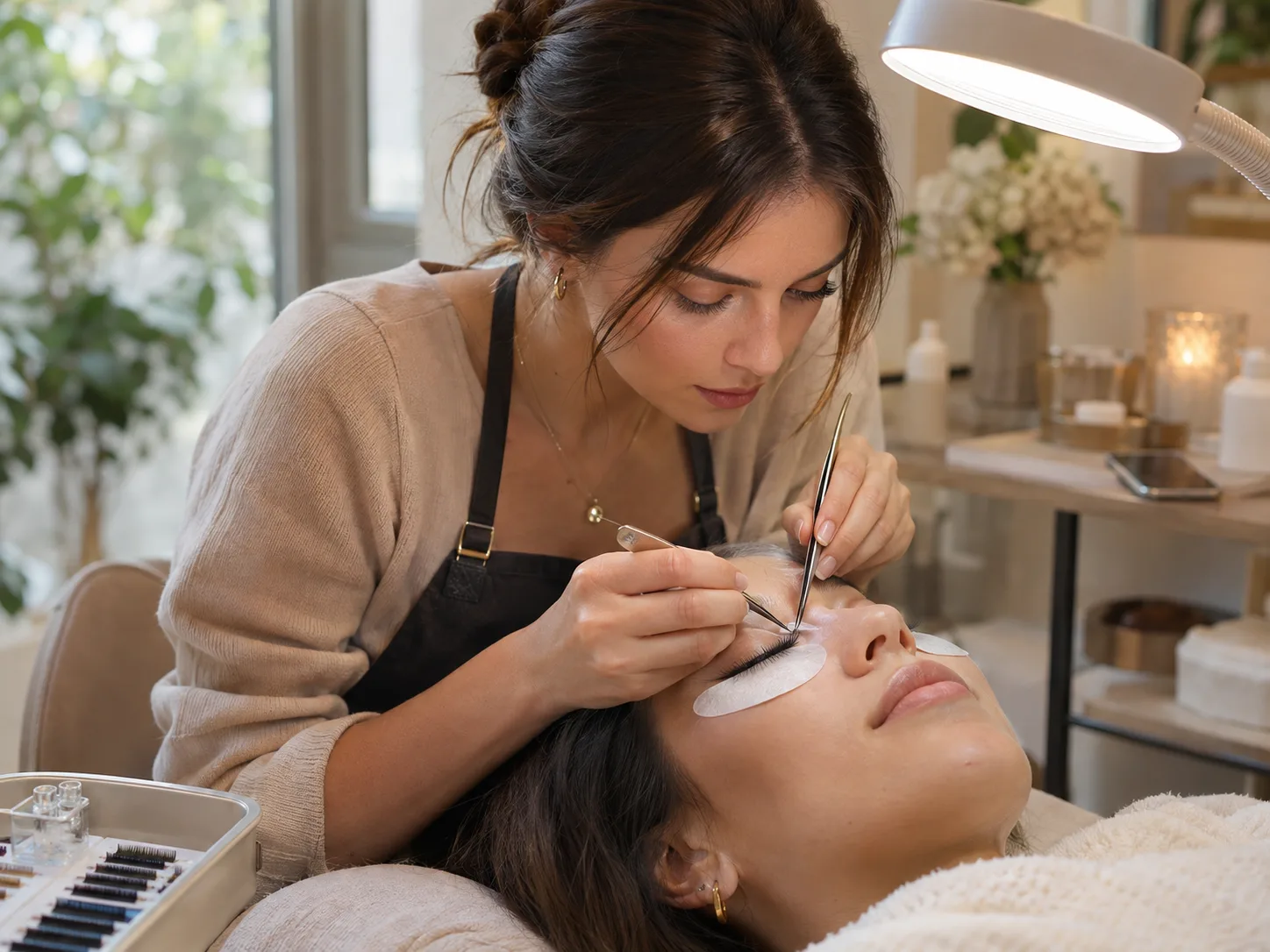
In a business of long appointments, a call is one interruption among others. Here, with 8 appointments a day and five-minute margins, there is no pause: the call always lands mid-appointment. Two minutes on the phone is 4.4% of a 45-minute appointment, but it repeats several times a day and, with the file or tweezers in hand, the client notices. The only natural gap, the minute under the lamp, is not enough for a conversation.
On the assumptions: the 13 enquiries answered halfway lead to 3.9 bookings (13 times 0.3). The 25 unanswered ones are returned at the end of the day and 5 book (25 times 0.2). That is almost 9 appointments a week that come from informational enquiries, and it costs Ana and Marta a good hour of call-backs at closing time, when they already have eight appointments behind them.
Add what cannot be seen: the client who rang at 12:10, with Ana in the middle of lash extensions, and had written to another studio by 12:40. And the half-answers, given in a hurry with one hand busy, which sometimes miss a detail (how long removal takes if it comes from elsewhere) and turn into a misunderstanding on the day.
The client presses the call button on the Studio Nube website or opens the voice page from the QR code on the counter. The assistant says it is an AI and that it records, and answers from the menu: gel manicure, 45 minutes; extensions, 75; removal, 20, each with its price. Then it sends the link so the client can choose a time in the studio's diary. If they ask about something that is not on the menu, it does not make it up: it leaves it noted in the summary.
All 38 informational enquiries are answered on the spot: 11.4 bookings (38 times 0.3), against 8.9 before. That is 2.5 more appointments a week, €75 (2.5 times 30) and about €300 a month over four weeks. It is a modest difference per appointment; what really changes is the rhythm: Ana and Marta stop answering the phone mid-appointment and stop returning calls at closing time.
There is an effect the sum does not capture: Sunday afternoons and weekday evenings, when whoever decides on Saturday's appointment asks the question. In a studio with a full diary, those are the enquiries hardest to answer, because they arrive when nobody is there. The assistant handles them from the menu and leaves the summary for Monday morning.
If almost all your clients are regulars who book by themselves through the app, your informational enquiries will be few and the sum falls short. It does not pay off either if you will not keep the menu up to date: an old price on the menu is an old price said out loud. And if your problem is winning new clients, this is not the tool: it answers the ones who already ring. Bear in mind, too, that the first weeks take some work: setting up the menu, listening to the first conversations and sharpening prices and durations. Set aside an afternoon at the start and about twenty minutes a week afterwards; if you cannot spare even that, it is better to wait for a calmer moment.
Put in your own numbers: how many informational enquiries come in each week, how many go unanswered and what your average appointment is worth. The plan price is on the pricing page.
Make a test call to the demo assistant and pick the plan that fits you. No lock-in.
See plans and get startedA generic chatbot answers questions. A receptionist for beauty centres comes with voice, your menu, the AI notice and recording. Pros and cons of each.

Booksy runs your diary and can bring you clients with Boost. BeautySuite answers the phone using your treatment menu. Pros and cons of both, with prices from their websites.

Fresha charges a low fee per professional and adds a marketplace and payments. BeautySuite has no diary and no marketplace: it answers. Pros and cons of both.